

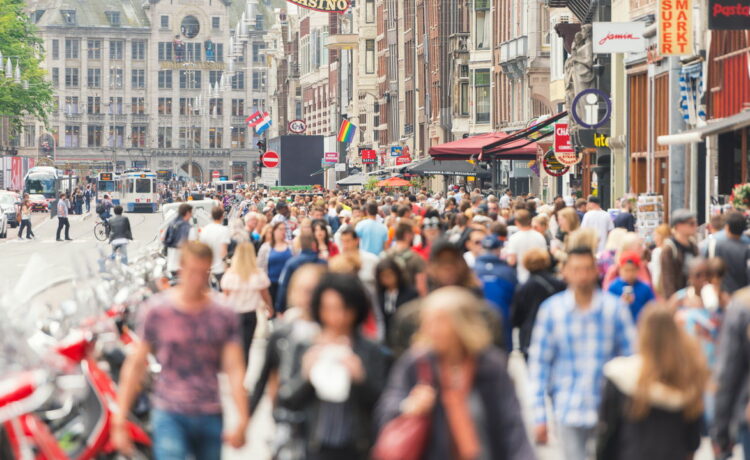
Travel has transitioned from a luxury reserved for the few into a global mass-market industry. Affordable commercial aviation, the proliferation of short-term vacation rental platforms, and the viral reach of social media have democratized exploration. While this travel boom has stimulated economic growth in host communities, it has also introduced a severe structural crisis known as over tourism.
Overtourism occurs when the volume of visitors at a specific destination becomes completely unsustainable, surpassing the physical, ecological, and social carrying capacity of the host environment. When a destination is overwhelmed by a perpetual influx of crowds, the very qualities that made it attractive in the first place begin to degrade. This unchecked commercial pressure creates an operational feedback loop that erodes delicate ecosystems, destroys historic infrastructure, and displaces local populations, ultimately compromising the longevity of global tourism assets.
The Environmental Decay of Delicate Ecosystems
The most immediate and catastrophic impact of overtourism is felt by the natural environment. Natural landmarks, coastal ecosystems, and pristine wilderness areas are structurally unequipped to handle thousands of footfalls daily.
The Destruction of Marine Habitats and Coral Reefs
Tropical coastal destinations frequently suffer severe ecological degradation due to poorly managed marine tourism. When hundreds of tour boats navigate shallow bays daily, anchor drops physically shatter ancient coral structures.
Furthermore, the collective presence of thousands of swimmers introduces high concentrations of chemical sunscreens into the water column. These chemicals contain compounds that disrupt coral reproduction and accelerate coral bleaching. This environmental strain can force local governments to implement emergency closures of entire marine parks to prevent total ecological collapse.
Soil Erosion and Waste Management Crises
In terrestrial natural reserves, heavy pedestrian traffic destroys native flora and causes severe soil compaction. This compaction prevents rainwater from absorbing properly into the ground, leading to accelerated topsoil erosion during rain events and destroying the habitats of local wildlife.
Simultaneously, remote destinations often lack the industrial waste processing infrastructure required to handle the volume of garbage generated by mass tourism. Plastic pollution accumulates in natural watersheds, while inadequate sewage treatment systems can leak into local water tables, turning pristine natural getaways into environmental hazards.
Architectural Degradation of Historic and Cultural Sites
Humanity’s shared cultural heritage, preserved in ancient ruins, historical centers, and architectural monuments, faces a slow war of attrition against excessive tourism volumes.
Microclimate Shifts and Physical Wear
Ancient structures built from porous materials like sandstone, marble, or limestone are highly sensitive to environmental conditions. When thousands of tourists crowd into a confined historical space, such as an ancient tomb or a medieval chapel, their collective breathing dramatically elevates the humidity and carbon dioxide levels within the room.
This localized microclimate shift introduces moisture into walls, which fosters the growth of destructive fungi, dissolves ancient frescoes, and accelerates the chemical weathering of stone. This internal damage is compounded by physical wear, as millions of hands touch historic surfaces and heavy foot traffic erodes ancient stone pathways.
The Strain on Static Infrastructure
Historic cities were designed centuries ago to accommodate small, stationary populations utilizing localized transit methods. They were never engineered to withstand the mechanical weight and logistical requirements of modern mass tourism.
The daily arrival of massive cruise ships and fleets of tour buses places an immense strain on structural foundations. Vibrations from heavy transport wear down historic bridges, while ancient drainage networks become chronically overwhelmed, increasing the frequency of urban flooding and undermining the structural foundations of historic neighborhoods.
Social Erosion and the Displacement of Local Communities
Beyond ecological and structural damage, overtourism fundamentally alters the social fabric of host communities, turning vibrant living neighborhoods into sterilized tourist corridors.
The Housing Crisis and Short-Term Rentals
The expansion of unregulated short-term vacation rental platforms has completely disrupted urban housing economics in popular tourist hubs. Property owners discover they can generate substantially higher revenues by renting apartments to transient tourists on a nightly basis rather than leasing them to long-term local tenants.
As a consequence, long-term housing inventory plummets, and rental prices skyrocket far beyond the purchasing power of average local wages. Local residents, including teachers, municipal workers, and service staff, are priced out of their own neighborhoods and forced to relocate to distant suburbs, eroding the community identity that gave the destination its unique character.
The Monoculture of Tourism and Economic Fragility
As a city centers its entire economy around catering to visitors, traditional local businesses are systematically displaced. Family-owned grocery stores, hardware shops, and neighborhood services disappear, replaced by a homogenous monoculture of souvenir shops, high-end boutiques, and expensive restaurants.
This total reliance on tourism creates an incredibly fragile economic environment. If a global crisis, an economic downturn, or a natural disaster disrupts travel networks, the host community is left without a diversified economic foundation to sustain itself, illustrating the danger of prioritizing transient revenue over local stability.
Strategic Frameworks for Sustainable Destination Management
Mitigating the destructive impacts of overtourism requires a fundamental shift from marketing destinations to actively managing them through strict macro-level policies.
Capping Visitor Numbers and Time-Slotted Ticketing
Forward-thinking municipalities are abandoning the metric of raw visitor volume as a sign of economic success. Instead, they are implementing hard caps on daily entries at vulnerable historic and natural sites.
By requiring tourists to purchase time-slotted digital tickets well in advance, management authorities can evenly distribute visitor density throughout the day. This prevents peak-hour congestion, minimizes structural wear on monuments, and ensures a safer, more respectful experience for both travelers and residents.
Implementing Direct Tourism Levies and Taxes
To offset the immense cost of maintaining infrastructure under the weight of mass travel, cities are introducing targeted tourist taxes and entry fees for day-trippers.
The revenue generated from these environmental and infrastructural levies is directly reinvested into the community. It funds the expansion of local waste management facilities, subsidizes affordable housing initiatives for displaced residents, and pays for continuous restoration projects on degraded historical structures, ensuring that tourism pays its own operational bills.
Frequently Asked Questions
What is the difference between ecotourism and sustainable tourism?
Ecotourism is a highly specific niche of travel focused explicitly on visiting pristine, natural environments to learn about conservation and support local biodiversity with minimal ecological impact. Sustainable tourism is a much broader macro-management philosophy that applies to all forms of travel, including dense urban tourism and mass resort travel, aiming to balance the economic, social, and environmental impacts of visitors across any destination.
How do cruise ships uniquely contribute to the problem of overtourism in historic port cities?
Cruise ships exacerbate overtourism by discharging thousands of passengers simultaneously into a concentrated historic zone for a limited number of hours. These day-trippers flood narrow streets, creating intense brief spikes in pedestrian traffic that overwhelm local infrastructure. Because cruise passengers sleep and eat onboard the ship, they often contribute minimal revenue to local restaurants and hotels relative to the immense spatial congestion and waste footprint they leave behind in the port city.
What is touristification and how does it manifest in historical districts?
Touristification is the process by which a geographical area is progressively transformed and structurally redesigned to cater almost exclusively to the desires and consumer habits of international tourists. It manifests through the systematic closure of essential community businesses, the gentrification of traditional housing into short-term lodging, and the staging of manufactured cultural performances that erase authentic, organic community life.
How does overtourism impact the cost of living for residents who do not work in the hospitality sector?
Overtourism drives up the cost of living for non-tourism workers by inflating the baseline prices of everyday goods, public transit, and restaurant dining due to increased tourist demand. Furthermore, because municipal tax revenues are often diverted to expand police presence, waste management, and road repairs in heavily touristed zones, residential neighborhoods can suffer from underfunded local infrastructure and public services.
Can the development of alternative regional travel itineraries solve overtourism?
Developing alternative regional itineraries, often called tourist dispersion, can help alleviate pressure on primary hot spots by encouraging travelers to explore lesser-known surrounding towns. However, this strategy must be implemented with caution; if the secondary destinations lack robust infrastructure, dispersing crowds without strict carrying-capacity regulations can simply export the negative impacts of overtourism to previously undamaged rural communities.
Why do digital geotags on social media platforms accelerate the degradation of hidden natural sites?
Digital geotags reveal the exact geographic coordinates of fragile, hidden natural landmarks to millions of users instantly. Before social media, remote wilderness locations were protected by their anonymity and the effort required to discover them. When a location goes viral, it can attract thousands of unprepared visitors overnight who lack outdoor leave-no-trace ethics, leading to rapid trail erosion, wildlife disruption, and rampant littering at sites completely devoid of park rangers or trash facilities.

