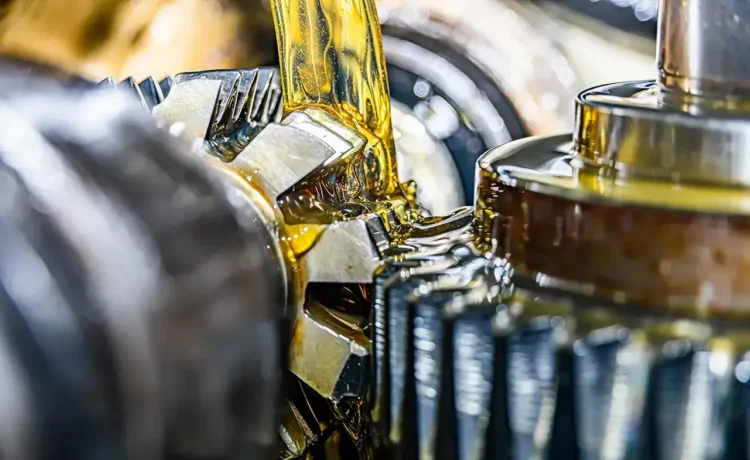
Tools and machinery are the backbone of workshops, factories, and even home projects. Whether it is a hand tool used occasionally or heavy equipment running daily, proper maintenance determines how long it lasts and how well it performs. One of the most important yet often overlooked aspects of maintenance is lubrication. Using the right metal lubricants at the right time reduces friction, prevents wear, and protects valuable equipment from premature failure.
This guide explains how to maintain tools and machinery with metal lubricants, why lubrication matters, and how to choose and apply the best metal lubricant for different situations. It also explores the role of Industrial lubricant solutions in demanding environments, all in clear and practical terms.
Why Lubrication Is Essential for Tools and Machinery
Whenever two metal surfaces move against each other, friction is created. Over time, friction generates heat, causes wear, and leads to surface damage. Without lubrication, even the strongest metal parts can degrade quickly.
Metal lubricants form a thin protective layer between surfaces. This layer reduces direct contact, allowing parts to move smoothly while minimizing heat and wear. Proper lubrication also helps prevent corrosion by blocking moisture and air from reaching bare metal.
Regular lubrication is not just about performance. It is about safety, efficiency, and long term cost savings.
Understanding How Metal Lubricants Work
Metal lubricants work by reducing resistance between moving parts. They do this in several ways, depending on their composition and application.
Some lubricants focus on reducing friction under light loads, such as hand tools and small mechanisms. Others are designed to withstand heavy pressure, high temperatures, or constant motion. Industrial lubricant solutions often contain additives that enhance performance in harsh operating conditions.
The key is matching the lubricant properties to the demands of the tool or machine. Using the wrong type can be as harmful as using none at all.
Identifying Parts That Need Regular Lubrication
Not every component needs lubrication, but many critical parts do. Identifying these areas is the first step in effective maintenance.
Common lubrication points include joints, bearings, gears, chains, hinges, and sliding surfaces. Any place where metal parts move, rotate, or slide against each other is a potential candidate.
For machinery, manufacturer guidelines often specify lubrication points and intervals. For hand tools, visual inspection and movement feel can guide decisions. If a part feels stiff, noisy, or rough, lubrication is usually needed.
Choosing the Best Metal Lubricant for the Job
Selecting the best metal lubricant depends on several factors, including load, speed, temperature, and environment.
For light duty tools, a general purpose metal lubricant that reduces friction and resists moisture may be sufficient. For heavier machinery, especially in industrial settings, a specialized Industrial lubricant formulation may be required to handle continuous operation and extreme conditions.
Environmental exposure also matters. Outdoor equipment may need lubricants with strong corrosion resistance, while high temperature machinery requires lubricants that remain stable under heat.
Understanding these factors helps ensure optimal performance and longer equipment life.
Preparing Tools and Machinery Before Lubrication
Proper preparation is just as important as the lubricant itself. Applying lubricant to dirty or damaged surfaces can trap debris and accelerate wear.
Before lubrication, clean the area thoroughly. Remove dust, old grease, metal shavings, and moisture. A clean surface allows the lubricant to bond effectively and perform its protective role.
Inspect parts for damage such as cracks, excessive wear, or misalignment. Lubrication cannot fix structural problems, but it can prevent minor issues from becoming major failures.
Applying Metal Lubricants Correctly
Applying lubricant correctly ensures it works as intended. More is not always better. Excess lubricant can attract dirt and create buildup that interferes with movement.
Apply a controlled amount directly to the contact area. Move the part to help spread the lubricant evenly. Wipe away excess material to keep the surface clean.
For machinery, follow recommended application intervals. Over lubrication wastes material and can cause leaks or contamination, while under lubrication increases friction and wear.
Maintaining Hand Tools with Metal Lubricants
Hand tools often suffer from neglect because they are used intermittently. However, regular lubrication can dramatically extend their lifespan.
Apply lubricant to pivot points, joints, and moving parts such as pliers, cutters, and adjustable wrenches. This prevents stiffness and reduces the force needed to operate the tool.
After use, wipe tools clean and apply a light protective layer of lubricant before storage. This simple habit protects against rust and ensures tools are ready when needed.
Lubricating Machinery in Industrial Environments
Industrial machinery operates under constant stress. High loads, continuous motion, and harsh environments demand a more strategic approach to lubrication.
Industrial lubricant products are designed to handle these challenges. They often include additives that reduce wear, resist oxidation, and maintain stability under pressure.
In industrial settings, lubrication schedules should be documented and followed strictly. Predictive maintenance programs often include lubricant analysis to detect contamination or degradation before failures occur.
Preventing Wear and Extending Equipment Life
Wear is inevitable, but it can be controlled. Proper lubrication reduces metal to metal contact, which is the primary cause of wear.
By maintaining a consistent lubrication routine, equipment operates more smoothly and efficiently. Reduced friction means lower energy consumption and less heat buildup.
Over time, this translates into fewer breakdowns, longer service intervals, and reduced replacement costs. Investing in the best metal lubricant for your needs is an investment in reliability and productivity.
Common Lubrication Mistakes to Avoid
Even with good intentions, mistakes can undermine lubrication efforts. One common error is using a lubricant that is incompatible with the application. This can lead to a breakdown under load or poor protection.
Another mistake is ignoring environmental factors. Dusty, wet, or high temperature conditions require specific lubricant properties.
Finally, neglecting regular maintenance intervals allows lubricants to degrade and lose effectiveness. Consistency is key to successful tool and machinery care.
How Lubrication Supports Safety and Performance
Well lubricated equipment is safer to use. Reduced friction means smoother operation and more predictable performance. This lowers the risk of sudden failures or excessive force requirements.
For machinery, proper lubrication reduces vibration and noise, improving working conditions and operator comfort. For hand tools, it enhances control and precision.
Safety and performance go hand in hand, and lubrication supports both.
Creating a Simple Lubrication Routine
A maintenance routine does not need to be complicated. Start by listing your tools and machinery and identifying lubrication points.
Set a schedule based on usage frequency and operating conditions. Keep lubricants accessible and clearly labeled.
Regular inspection combined with timely lubrication ensures problems are addressed early, before they escalate.
Maintaining tools and machinery with metal lubricants is one of the most effective ways to protect your investment and ensure consistent performance. From small hand tools to large industrial machines, lubrication reduces friction, prevents wear, and extends service life.
Choosing the best metal lubricant for each application, preparing surfaces properly, and applying lubricants correctly make a measurable difference. In demanding environments, Industrial lubricant solutions provide the durability and protection needed for continuous operation.
With a thoughtful lubrication strategy, tools stay reliable, machines run efficiently, and maintenance becomes proactive rather than reactive. This approach saves time, reduces costs, and keeps operations running smoothly for years to come.