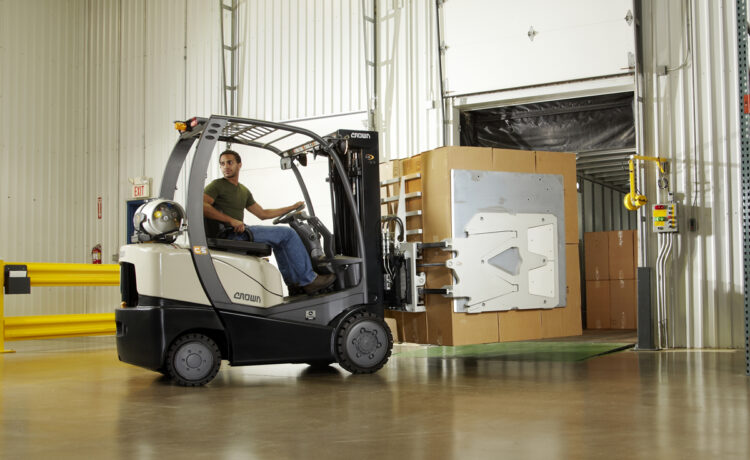
In the high-stakes environment of logistics and warehousing, the forklift is the undisputed workhorse of the facility. Managers often spend hours analyzing fuel efficiency, tire wear, and lifting capacities to optimize their fleet. However, the most critical interface in the entire operation is often the most ignored: the square foot where the operator sits. A forklift seats operator spends the vast majority of their shift seated, navigating tight corners and bumpy floor transitions while constantly twisting to check their surroundings. Without a high-quality ergonomic seat, this repetitive strain quickly translates into physical pain, leading to a significant drop in productivity and a spike in workplace injuries. Investing in superior seating is not just about comfort; it is a strategic move to protect a company’s most valuable asset: its people.
The Physical Toll of Industrial Operation
Operating a forklift is a deceptively strenuous task. Unlike driving a standard car, forklift operation involves constant whole-body vibration and frequent “spinal twisting.” To safely navigate and place loads, operators must frequently look behind them, leading to a posture known as the twisted-seated position. When a seat lacks proper support, this rotation puts immense pressure on the intervertebral discs and the small muscles of the lower back. Over time, this results in musculoskeletal disorders that can become chronic and debilitating.
Furthermore, the constant jarring from driving over dock plates, expansion joints, and uneven warehouse floors sends vertical shocks directly up the spine. A standard, rigid seat does little to dampen these forces. The cumulative effect of these micro-traumas leads to “vibration fatigue,” a condition where the operator’s muscles become exhausted simply from trying to stabilize the body. As fatigue sets in, reaction times slow down, and the likelihood of a costly or dangerous maneuvering error increases dramatically.
Features of a True Ergonomic Forklift Seat
A truly ergonomic seat is a sophisticated piece of engineering designed to counteract the specific rigors of the warehouse. The first and most essential feature is an advanced suspension system. Modern seats often utilize weight-adjustable mechanical or air suspension that allows the seat to float independently of the forklift’s chassis. This creates a buffer that absorbs up to eighty percent of the vibrations and shocks before they reach the operator’s body. By neutralizing these forces, the seat prevents the rapid onset of physical exhaustion.
Adjustability is the second pillar of ergonomic design. Since no two operators are built the same, a seat must allow for a wide range of customizations. This includes adjustable lumbar support to maintain the natural curve of the spine, as well as the ability to tilt the seat cushion and move the entire assembly forward or backward. Some of the most advanced ergonomic seats also feature a swivel function. This allows the entire seat to rotate slightly, reducing the degree to which an operator must twist their neck and torso when driving in reverse. By making the equipment fit the person, rather than forcing the person to adapt to the equipment, companies can significantly reduce the risk of strain-related injuries.
Boosting Productivity Through Operator Comfort
The link between physical comfort and industrial productivity is direct and measurable. When an operator is in pain or physically tired, they move more slowly and take more frequent breaks. They are also less likely to perform thorough safety checks or maintain the precision required for high-speed pallet placement. An ergonomic seat acts as a performance enhancer by keeping the operator in a “neutral” physical state for longer periods. When an employee feels good, they are naturally more engaged and capable of maintaining a high work rate throughout their entire shift.
Furthermore, the implementation of ergonomic seating is a powerful tool for employee retention. The warehouse industry faces high turnover rates, and physical discomfort is a leading reason why experienced operators leave the profession. Providing a premium work environment demonstrates that the company values the health and longevity of its workforce. This leads to higher morale and a more stable, experienced team of operators who are intimately familiar with the facility’s specific workflows and safety protocols.
Conclusion
The forklift seat is the foundation upon which every warehouse task is built. While it may seem like a minor detail in the grand scheme of supply chain management, its impact on the health and efficiency of the operation is profound. By prioritizing suspension, adjustability, and swivel capabilities, facility managers can effectively neutralize the physical hazards of the job. This investment pays for itself many times over through increased hourly output, lower insurance premiums, and a more dedicated workforce. In an industry where every second and every move counts, the comfort of the operator is the ultimate competitive advantage. Ensuring that your team is supported by the best seating technology available is the surest way to drive your business toward a safer and more productive future.